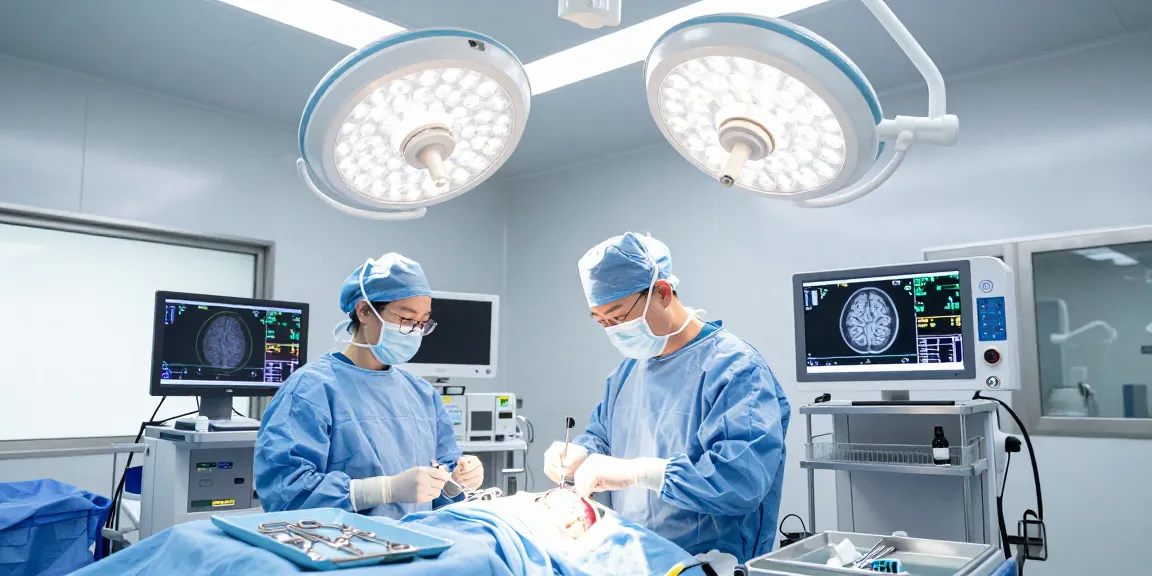
Understanding Beyin Ameliyatı
Beyin ameliyatı, numerous medical conditions affecting the brain, such as tumors, hemorrhages, and certain neurological disorders, necessitating surgical intervention. With advances in technology and surgical techniques, the landscape of neurosurgery is evolving rapidly. Patients should be informed about the procedures and outcomes associated with these surgeries. When exploring options, Beyin ameliyatı provides comprehensive insights into the necessary evaluations and clinical considerations required for successful outcomes.
What is Beyin Ameliyatı?
Beyin ameliyatı or brain surgery involves various surgical procedures performed to treat conditions affecting the brain. These surgeries can be essential for treating brain tumors, managing hemorrhages, and addressing structural abnormalities. Understanding the type of operation that may be necessary can help patients manage expectations and prepare adequately for their journey.
Common Conditions Treated with Beyin Ameliyatı
- Brain Tumors: Includes both benign and malignant tumors.
- Brain Hemorrhage: Such as epidural hematomas and subdural hematomas.
- Hydrocephalus: Excess cerebrospinal fluid in the ventricles.
- Aneurysms: Abnormal blood vessel dilations that can rupture.
- Traumatic Brain Injury: Consequences from accidents or falls.
The Importance of Early Diagnosis
Early diagnosis and treatment of neurological conditions are critical. Identifying symptoms early can significantly improve outcomes by allowing for timely intervention, thus preventing complications that could arise from delayed treatment.
Types of Beyin Ameliyatı
Open Brain Surgery vs. Minimally Invasive Techniques
Open brain surgery typically involves larger incisions and can provide direct access to the brain. In contrast, minimally invasive techniques, such as endoscopic surgeries, utilize smaller incisions and specialized instruments to reduce recovery times and complications. The choice between these modalities depends on the condition being treated and the patient's overall health.
Awake Brain Surgery Explained
Awake brain surgery or uyanık beyin ameliyatı is an innovative technique allowing surgeons to monitor critical brain functions during the procedure. This method is particularly beneficial for tumors located in areas controlling speech or movement, enabling real-time feedback to protect essential neural pathways while excising the tumor.
Specific Procedures and Their Applications
Each brain surgery is tailored to the patient's specific conditions. Common procedures include:
- Craniotomy: Opening the skull to access the brain directly, often used for tumor removal.
- Endoscopic Surgery: Utilizes endoscopes for minimally invasive access, commonly for pituitary tumors.
- Aneurysm Clipping: Prevents rupture by securing an aneurysm with a clip.
- Shunt Placement: Alleviates pressure from cerebrospinal fluid in cases of hydrocephalus.
Risks and Complications of Beyin Ameliyatı
Common Surgical Risks and How to Mitigate Them
As with any surgery, beyin ameliyatı carries risks, including infection, bleeding, and complications from anesthesia. Patients can help mitigate these risks through proper preoperative assessments and following postoperative care instructions diligently.
Long-term Effects on Patient Health
Long-term effects can vary significantly based on the surgery type and the individual's health condition. Changes in cognitive function, motor skills, and emotional health may occur, so ongoing evaluations and supportive therapies are crucial for optimal recovery.
Preparing for Potential Complications
Patients should discuss potential risks with their healthcare providers and understand the signs of complications. Preparing for postoperative care at home can help streamline recovery and provide immediate responses to any concerning symptoms.
Recovery After Beyin Ameliyatı
What to Expect During the Healing Process
Postoperative recovery can range from weeks to months depending on the procedure. Initial healing often involves rest and monitoring for signs of complications, followed by gradual increases in activity as directed by medical professionals.
Rehabilitation Strategies for Optimal Recovery
Utilizing rehabilitation services, including physical therapy and cognitive support, can greatly enhance recovery outcomes. Engaging with rehabilitation specialists helps tailor recovery plans to suit individual needs and goals.
Long-term Follow-up and Care
Regular follow-up appointments post-surgery are essential for monitoring recovery progression and managing any long-term effects. These appointments can include imaging studies and assessments to track changes in brain health and function.
The Future of Beyin Ameliyatı Technologies
Emerging Innovations in Neurosurgery
As technology continues to advance, neurosurgery incorporates innovative methods to improve precision and decrease recovery times. Robotic-assisted surgeries, augmented reality, and AI-assisted imaging represent the future of brain surgery, promising better outcomes for patients.
Predicted Trends for 2026 and Beyond
Looking ahead, we can expect the refinement of surgical techniques and a greater emphasis on personalized medicine in beyin ameliyatı. Integrating genetic insights could lead to tailored treatment approaches, further enhancing surgical efficacy.
How Advances Improve Patient Outcomes
Technological advancements are reducing complication rates and improving recovery times. Enhanced imaging techniques allow for more precise surgeries while ensuring that healthy brain tissue is preserved, ultimately leading to better prognoses for patients.
What is the average recovery time after Beyin Ameliyatı?
The recovery time can significantly differ based on the complexity of the surgery performed. Generally, patients may expect an initial recovery phase lasting from 4 to 6 weeks, though complete healing could extend from several months to a year.
What types of brain surgeries are most common?
Commonly performed types of brain surgeries include craniotomies for tumor removal, shunt placements for hydrocephalus, and awake surgeries for tumors touching critical brain functions.
How can patients prepare for Beyin Ameliyatı?
Preparation involves thorough consultations with the surgical team, understanding the procedure, and ensuring optimal health through preoperative assessments and lifestyle adjustments.
What are the potential risks associated with brain surgery?
Potential risks can include infection, bleeding, neurological deficits, and complications linked to anesthesia, reinforcing the need for well-informed preoperative discussions.